Ebook
$9.99 $9.99
Book 1, Foundational Black American. EPUB, no DRM. Your download unlocks on release day, November 27.
Test store. Payments use Stripe test mode: no real money moves.
House of Black · Book One · Out November 27, 2026
The names changed. The people didn’t.
The opening book of a twelve-volume history of Foundational Black Americans, the descendants of American chattel slavery. It traces how one people were reclassified on paper, through census records, laws, and clerks’ pens, and what that means for anyone tracing their own family today.
Indian Mulatto Colored Negro Black African American
One people, recorded again and again as something else. Foundational Black American shows where each name was written down: in the federal census, in slave schedules and probate records, on birth and marriage certificates, and in laws like Virginia’s Racial Integrity Act of 1924.
Seven chapters, one question: how did a people whose roots are in American soil get recorded, over and over, as something else?
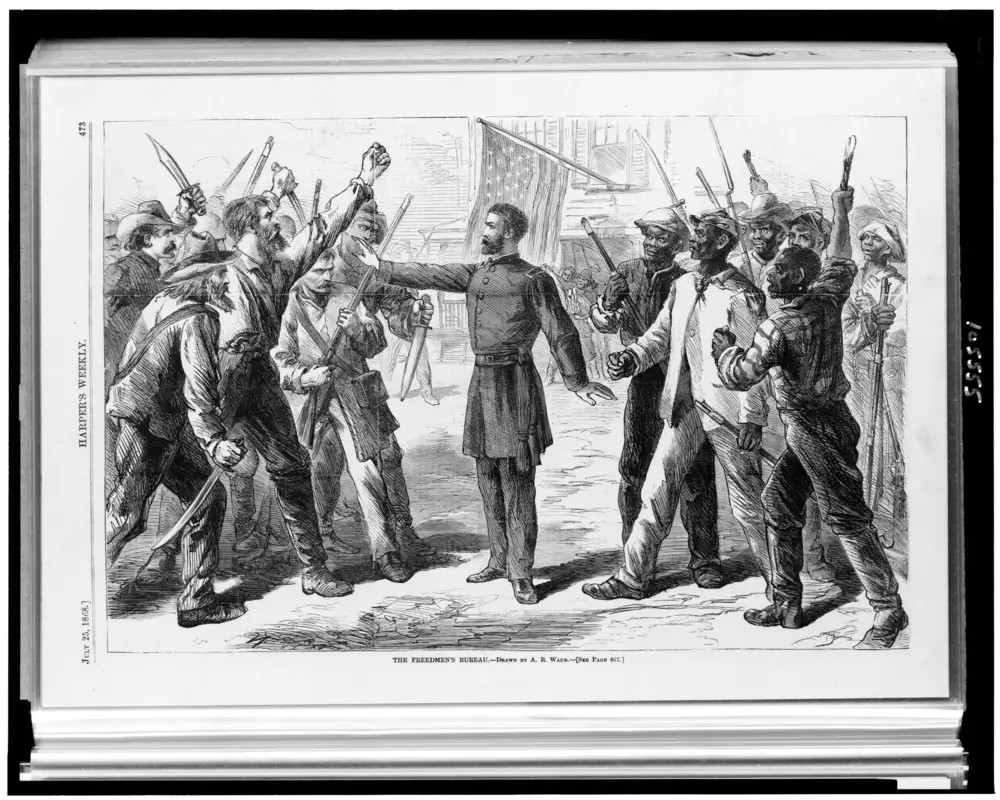
Who wrote American history, and what they left out.
False narratives · Revisionist American history · The erasure of Indigenous Black Americans · How textbooks reframe Black American history
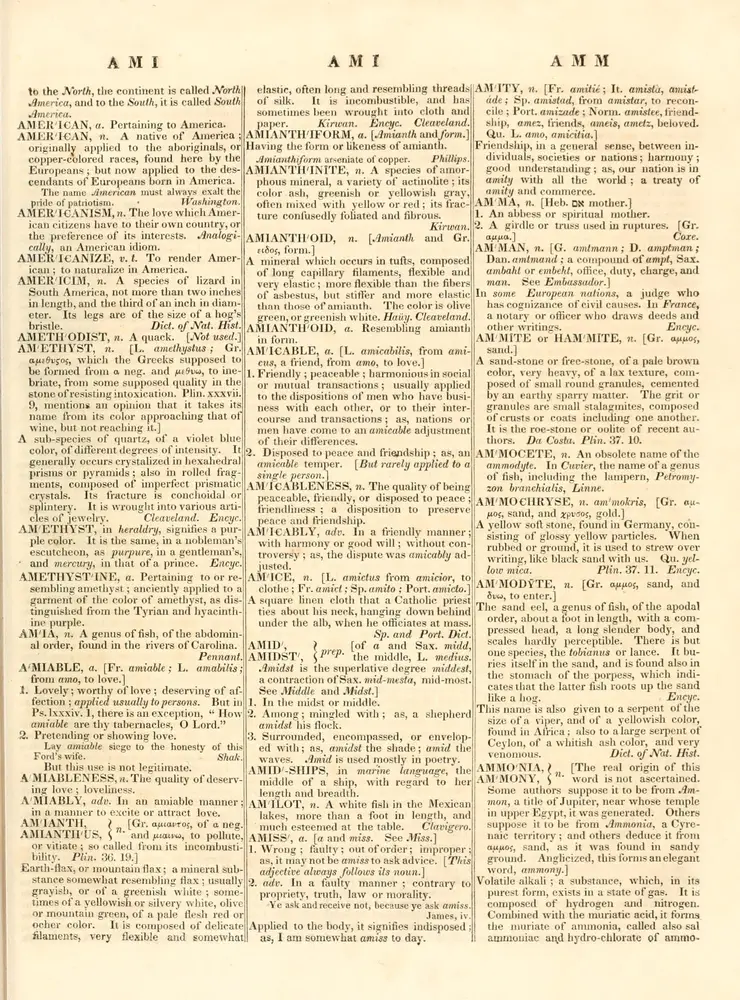
The evidence for a Black presence in the Americas before Columbus, and the “copper-colored” Americans of Webster’s 1828 dictionary.
Pre-Columbian presence · Mississippian culture · The Cahokia Mounds · Olmec heads
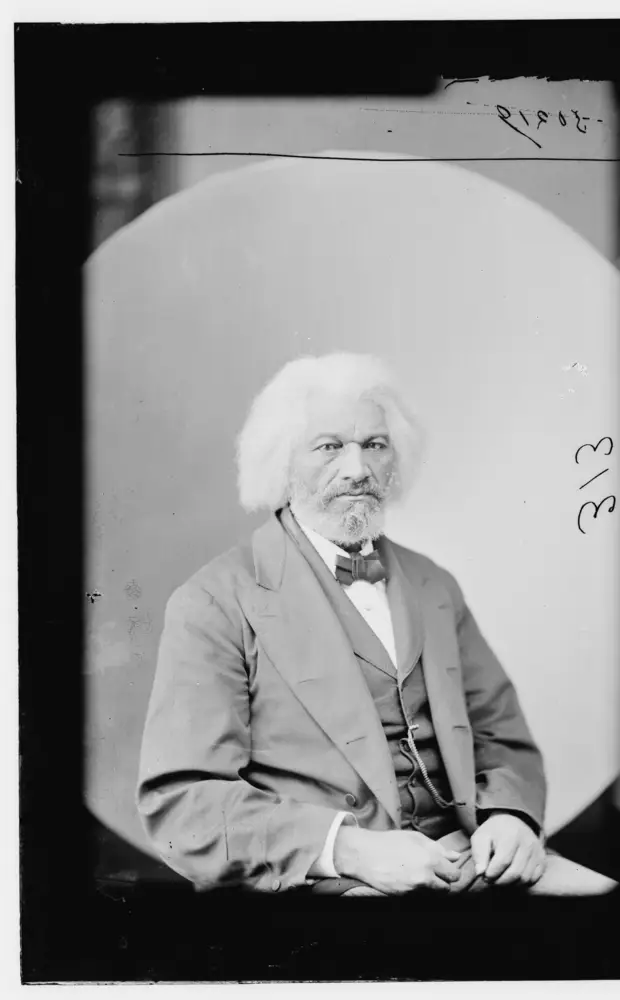
What “Black” means as an identity, and why it belongs to a specific lineage.
Carter G. Woodson and Frederick Douglass on Black American Indians · The endonym “Black American” · Black with a capital B
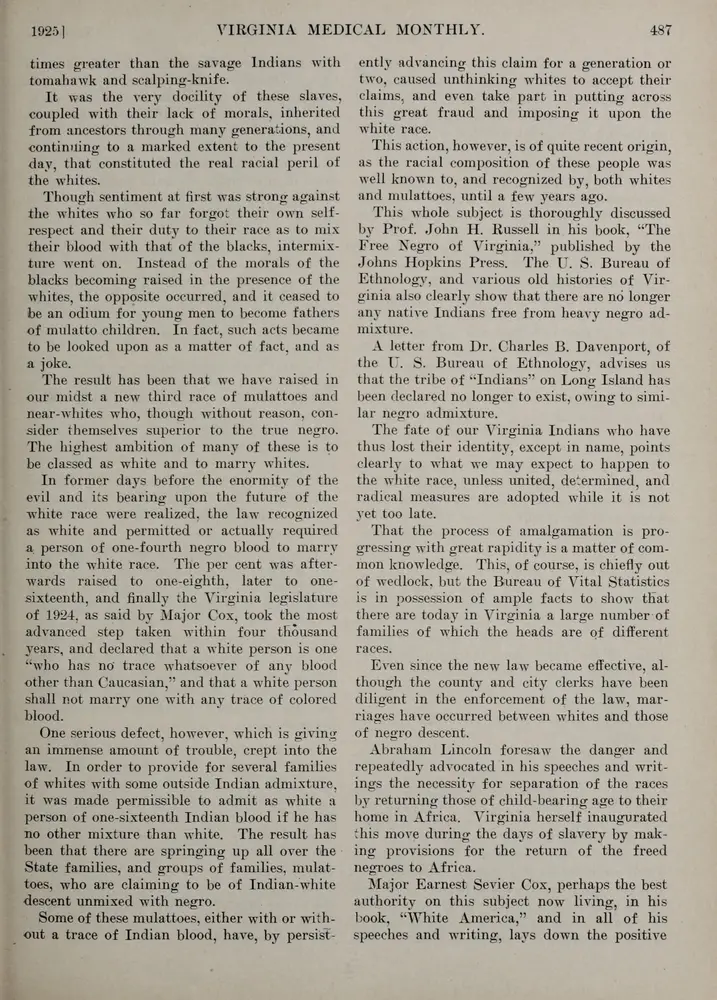
Paper genocide, Walter Plecker, and the one-drop rule.
The Racial Integrity Act of 1924 · 1705 Indian blood laws · From Indian to Mulatto to Colored to Negro
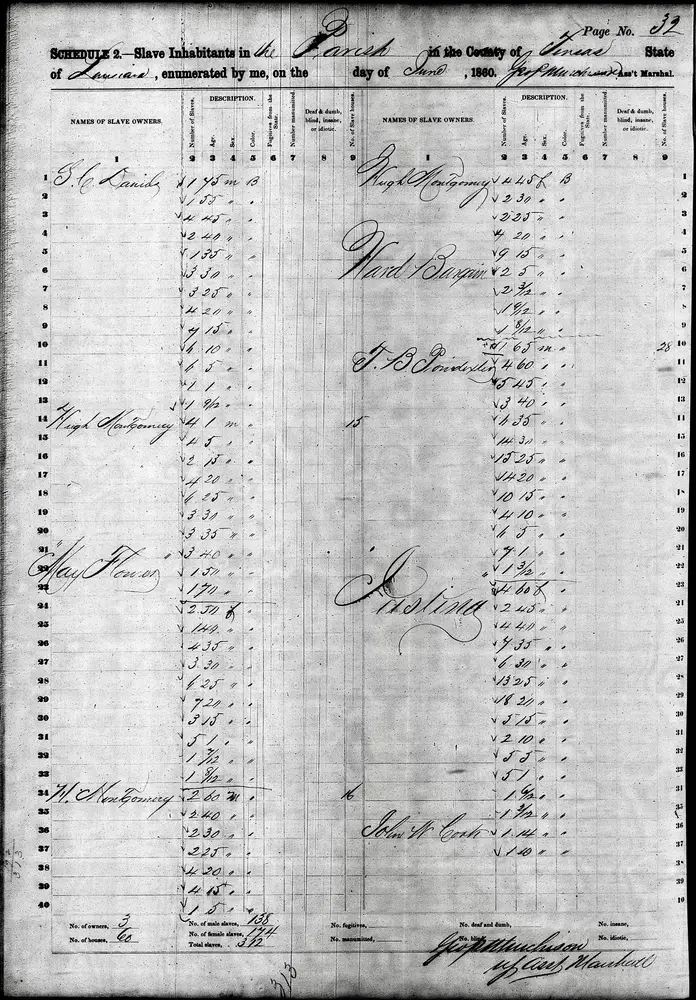
How every federal census from 1790 on recorded race, and what that means when you search for your own ancestors.
The 1790 census · “Free colored persons” · The 1850 and 1860 slave schedules · Finding enslaved ancestors in the records
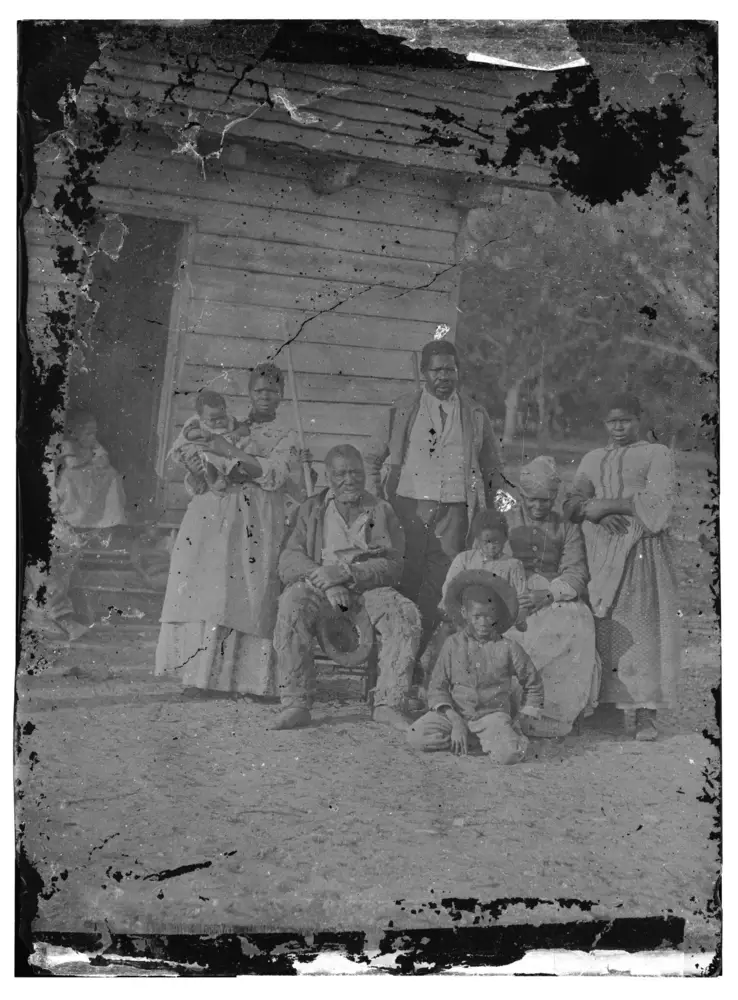
Why a DNA kit can’t tell you your ethnic identity, and why genealogy can.
Genealogy vs. genetics · What DNA tests can’t tell you · Plantation records · Traceable family lineage
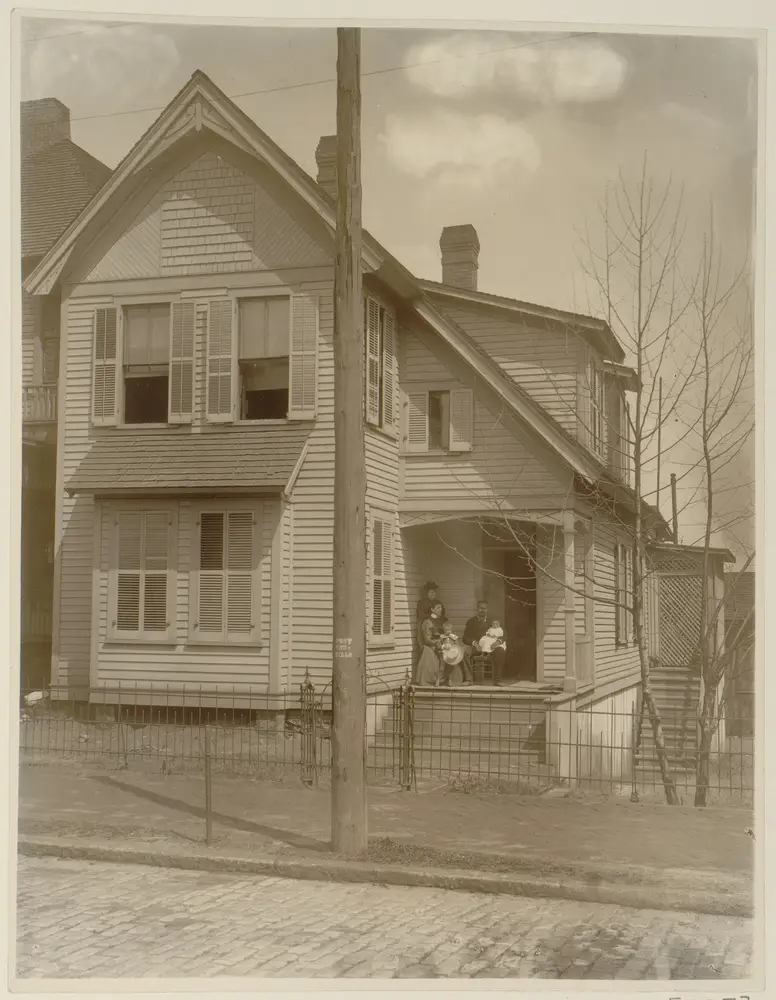
A closing look at the lineage and the work ahead.
The argument of Foundational Black American runs through public records. These charts, drawn from the census and Virginia’s own statutes, show the pattern at a glance. Every source is printed on the chart.


For readers who know their people were here, and want the paper trail that shows how that history was renamed and rewritten.
For anyone tracing an ancestor through the census, the slave schedules, and county records, and wondering why the race column keeps changing.
For parents, grandparents, and teachers who want a history of Black America that starts on this soil, written to be passed down.
Census returns, enumerator instructions, and maps of a divided country: the kind of primary sources the book reads closely. All public domain.


Direct pre-orders open soon. Reserve now and we’ll email you the moment you can buy, with the $4.99 launch price (list $9.99) that runs Black Friday through Cyber Monday. One email per release; no spam, no tracking.
$9.99 $9.99
Book 1, Foundational Black American. EPUB, no DRM. Your download unlocks on release day, November 27.
Direct only
$19.99
Book 1 on release day, plus the Book 2 and Book 3 ebooks the day each one is released. Only sold here.
Coming soon
A 6×9 paperback follows the ebook. Join the list below to hear when it’s ready.
Secure checkout by Stripe. Sold by Full Stack Tech NYC.
House of Black is a planned twelve-book history of the identity, culture, and lineage of Foundational Black Americans. Foundational Black American is the first book and the foundation for the rest: who we are, how the record renamed us, and how to find our people in it.
In this book, Foundational Black Americans are the descendants of people enslaved in the United States: Black Americans whose lineage runs through American chattel slavery, the federal census, and the soil of this country, rather than through later immigration. The book follows that lineage through every name the American record gave it. Read more about the term.
A planned twelve-book series by Cheryl Washington on the history, identity, and lineage of Foundational Black Americans. Book 1, Foundational Black American: History, Identity, and Lineage, comes out November 27, 2026.
The ebook comes out on Black Friday, November 27, 2026. The paperback follows once the print proof is approved.
Reserve your copy on this page with your email address and the edition you want. As soon as direct pre-orders open, we’ll email you a link to buy at the launch price. Reserving is free and doesn’t commit you to anything.
Choose the ebook or the Founding Reader pass on this page and pay securely with Stripe. Your order page unlocks the download on release day, November 27. Bookmark it.
The ebook is $9.99. From Black Friday, November 27, through Cyber Monday, November 30, 2026, it is $4.99. The Founding Reader pass is $19.99 for Books 1, 2 and 3. Paperback pricing is set once the print edition is final.
One payment of $19.99 for the Book 1 ebook plus the Book 2 and Book 3 ebooks on the day each one is released. It is only sold on this site.
It is a history first, but two chapters are written with genealogy in mind. Census covers how every federal census from 1790 on recorded race, including the 1850 and 1860 slave schedules and “free colored persons,” and what that means when you search for your own ancestors. DNA explains why a DNA kit can’t tell you your ethnic identity, and why documented genealogy can.
The book argues that the labels are part of the story. “African American” is one of several names (after Indian, Mulatto, Colored, Negro, and Black) that the record has applied to the same people, and the book traces where each one came from and what it changed.
EPUB, without DRM. It opens in Apple Books, Google Play Books, Kobo, and most reading apps. For Kindle, use Amazon’s free Send to Kindle, which accepts EPUB files.
Yes. A 6×9 paperback follows the ebook. Reserve the paperback above, or join the list, and we’ll tell you when it’s ready.
Buying here supports the author and the series directly, you get a DRM-free file you can keep, and the Founding Reader pass is only sold here.
It was written to be passed down. The launch price runs through Cyber Monday, and a Founding Reader pass covers the first three books.
Twelve books are planned. Get one email when each new book is out. No tracking, no sharing, unsubscribe any time.